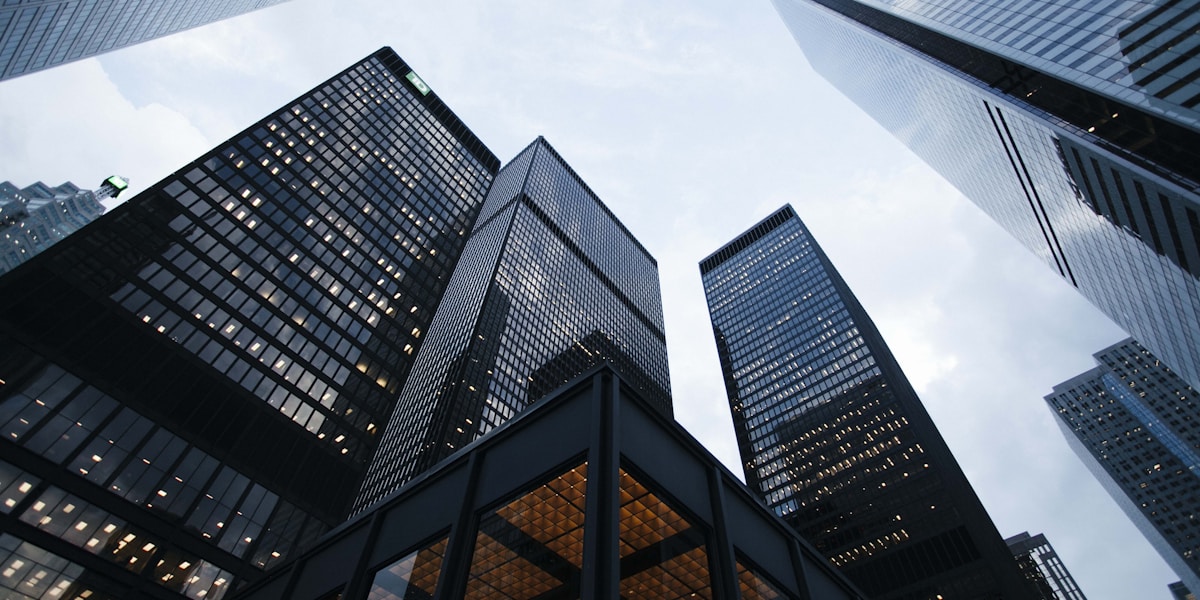
Commercial real estate (CRE) has entered a phase of structural adjustment that few analysts predicted in its entirety. While the residential market stabilized after the pandemic surge, commercial properties—from Class B office towers to suburban strip malls—are grappling with a perfect storm of macroeconomic headwinds, behavioral shifts, and balance sheet constraints.
The numbers don’t lie. According to recent Fed regional bank surveys, over $1.2 trillion in commercial mortgages are set to mature between 2025 and 2027. Refinancing at today’s yield environment means higher debt service coverage ratio (DSCR) requirements, forcing many owners into distressed sales, portfolio restructurings, or, in some cases, strategic defaults.
The Refinancing Wall Hits Harder Than Expected
During the 2010–2020 expansion cycle, record-low interest rates fueled an unprecedented wave of CRE lending. Borrowers locked in 30-year fixed or floating-rate loans with favorable terms. Fast-forward to 2025, and the average cap rate has expanded by 150–200 basis points across most sectors. Properties that previously traded at 5.5% now face 7.5% or higher, compressing valuations and equity cushions.
Regional banks, which hold roughly 40% of outstanding CRE debt, are tightening underwriting standards. The FDIC’s latest stress tests indicate that institutions with heavy CRE exposure are maintaining higher liquidity buffers, which means credit isn’t flowing freely to struggling property owners. The result? A secondary market where buyers demand steep discounts, and sellers struggle to find exits that preserve capital.
Key Market Indicators (Q3 2025)
Office Space: The Elephant in the Room
The commercial office sector remains the epicenter of the stress. Hybrid work is no longer a trend—it’s an institutionalized norm. Major tech firms, financial services, and corporate headquarters have reduced footprint commitments by 20–35% since 2019. This isn’t temporary; it’s structural.
Class A buildings in prime urban cores have largely weathered the storm, benefiting from amenity-rich spaces, sustainability upgrades, and employer branding value. But Class B and C properties are facing existential questions. Many lack the HVAC, digital infrastructure, or lifestyle amenities that modern tenants demand. Conversion to residential or mixed-use is often discussed, but zoning hurdles, cost overruns, and buyer demand gaps have stalled most projects.
"We’re not looking at a cyclical downturn. We’re witnessing a permanent repricing of space based on utility, not prestige. The buildings that survive will be those that adapt to human-centric, flexible, and energy-efficient models."
— Dr. Elena Rostova, Urban Economics Fellow
Retail & Industrial: Diverging Paths
While office space bleeds value, the CRE sector isn’t monolithic. Industrial and logistics properties have surged alongside e-commerce growth, though recent overbuilding in secondary markets has cooled leasing velocity. Conversely, open-air retail and grocery-anchored centers have shown resilience, adapting to experiential retail and last-mile delivery hubs.
However, even these stronger sectors face financing friction. Private equity sponsors, who dominated CRE acquisitions over the past decade, are now deploying capital more selectively. Debt-equity structures are heavier, and hold periods are shorter as investors prioritize cash flow over appreciation.
Bank Exposure & Systemic Risks
The broader financial system’s exposure to CRE has regulators on high alert. Unlike the 2008 housing crisis, today’s commercial loan portfolio is more concentrated among mid-sized regional lenders rather than shadow banks. The Federal Reserve’s Commercial Real Estate Supervisory Guidance explicitly warns against prolonged exposure to non-performing assets.
Yet, a sudden wave of defaults could trigger liquidity stress beyond the real estate sector. Commercial mortgages often cross-collateralize with corporate debt, meaning property distress can ripple into commercial lending, construction financing, and municipal bond markets. Local governments, particularly in cities reliant on property tax revenue from commercial districts, face budget shortfalls that could impact public services.
The Path Forward: Adaptation, Not Apocalypse
Despite the headlines, many market participants view this period as a necessary correction. Real estate has always been cyclical, and this stress cycle is clearing out inefficient capital structures and underperforming assets. The winners will be:
- Strategic repositioners: Owners investing in ESG upgrades, flexibility, and technology to retain tenants.
- Opportunistic buyers: Well-capitalized funds acquiring distressed portfolios at discounted cap rates.
- Municipal innovators: Cities streamlining zoning for adaptive reuse and incentivizing mixed-density development.
The Federal Reserve’s projected rate cuts in late 2025 may provide temporary relief, lowering refinancing costs and easing DSCR pressure. But the fundamental shift in how space is used, valued, and financed is here to stay. Commercial real estate isn’t dying—it’s evolving.
Aevum News continues to track CRE market dynamics through our dedicated real estate vertical, including regional vacancy reports, lending condition surveys, and expert analysis. Follow our coverage for data-driven insights.