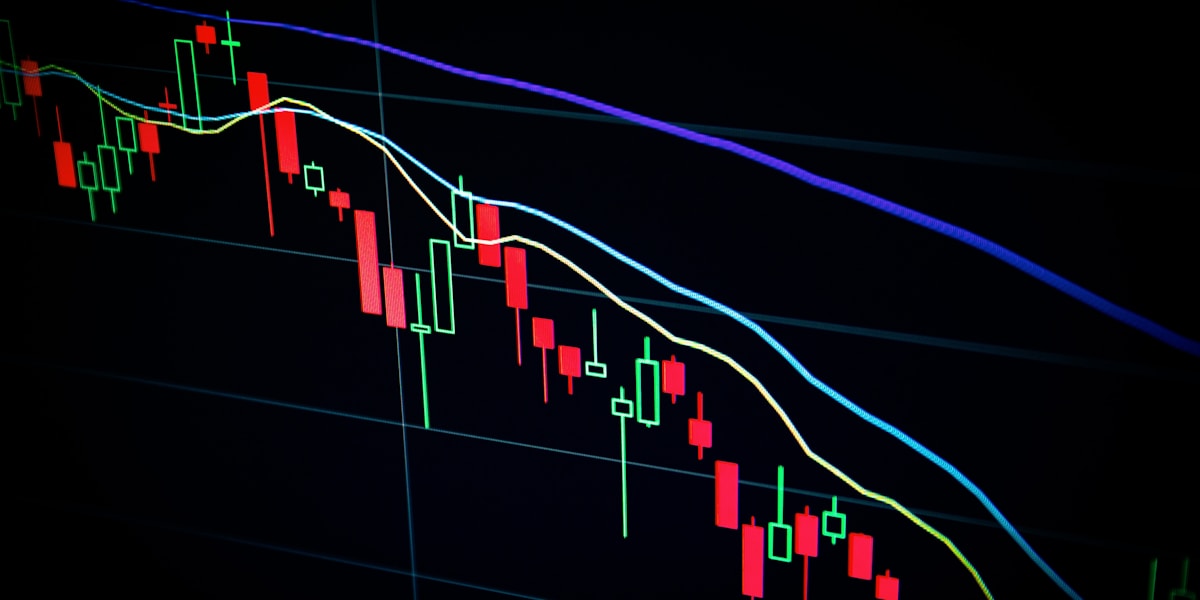
The global financial system erupted in optimism Thursday following the formal ratification of the Pacific Economic Corridor (PEC) Agreement, a landmark trade pact that analysts estimate will unlock $2.3 trillion in cross-border commerce over the next fifteen years. The deal, negotiated over three years by twelve Indo-Pacific nations, eliminates tariffs on 94% of goods, harmonizes digital trade regulations, and establishes unified supply-chain resilience protocols.
Within hours of the signing ceremony in Singapore, benchmark indices across the region posted record gains. Japan's Nikkei 225 climbed 3.8%, Australia's S&P/ASX 200 surged 2.9%, and South Korea's KOSPI jumped 2.4%. U.S. markets followed suit on Friday, with the S&P 500 breaking through the 6,200 barrier for the first time as multinational logistics and manufacturing stocks led the rally.
Architecting the Next Decade of Commerce
The PEC Agreement represents a structural shift in how Asia and the West interact economically. Unlike traditional free trade zones that focus primarily on tariff reduction, this pact integrates advanced digital customs clearance, green energy infrastructure sharing, and a unified intellectual property framework designed for AI and semiconductor supply chains.
Trade economists note that the corridor's geographic scope is intentionally designed to bypass existing bottlenecks. By linking Southeast Asian manufacturing hubs with Australian energy exports, Japanese technology sectors, and North American consumer markets, the agreement creates a self-reinforcing economic loop that reduces dependency on single-route shipping lanes.
Market Impact & Sector Winners
Equity markets quickly priced in the long-term implications. Shipping conglomerates, port authorities, and logistics technology firms saw volume spike as institutional investors adjusted portfolios. Below is a snapshot of major sector performance in the 48 hours following ratification:
| Sector / Index | 48h Change | Volume Shift | Analyst Outlook |
|---|---|---|---|
| Global Shipping & Logistics | +6.2% | +142% | Strong Buy |
| Asian Manufacturing ETFs | +4.8% | +98% | Bullish |
| Green Energy Infrastructure | +3.9% | +76% | Accumulate |
| Semiconductor Supply Chain | +5.1% | +115% | Strong Buy |
Beyond the Hype: Structural Challenges
Despite the euphoria, market veterans caution that implementation will be gradual. Customs modernization alone is projected to take 36 months across smaller member states, and labor market adjustments in manufacturing-heavy regions could trigger short-term friction. Currency volatility is also expected as central banks recalibrate monetary policy to accommodate increased capital flows.
Nevertheless, institutional confidence remains high. Sovereign wealth funds and pension managers have already begun reallocating assets toward corridor-adjacent real estate, infrastructure bonds, and cross-border equity funds. The agreement's embedded dispute-resolution mechanism and independent trade arbitration court have been cited by legal experts as a major improvement over past regional accords.
As trading bells ring across the hemisphere, one metric captures the mood: open interest in Pacific-linked futures contracts has doubled. Whether this surge reflects sustainable growth or speculative overheating will become clear in the coming quarters. For now, the markets have spoken—and they're betting heavily on an integrated, tariff-light, digitally enabled Pacific economy.