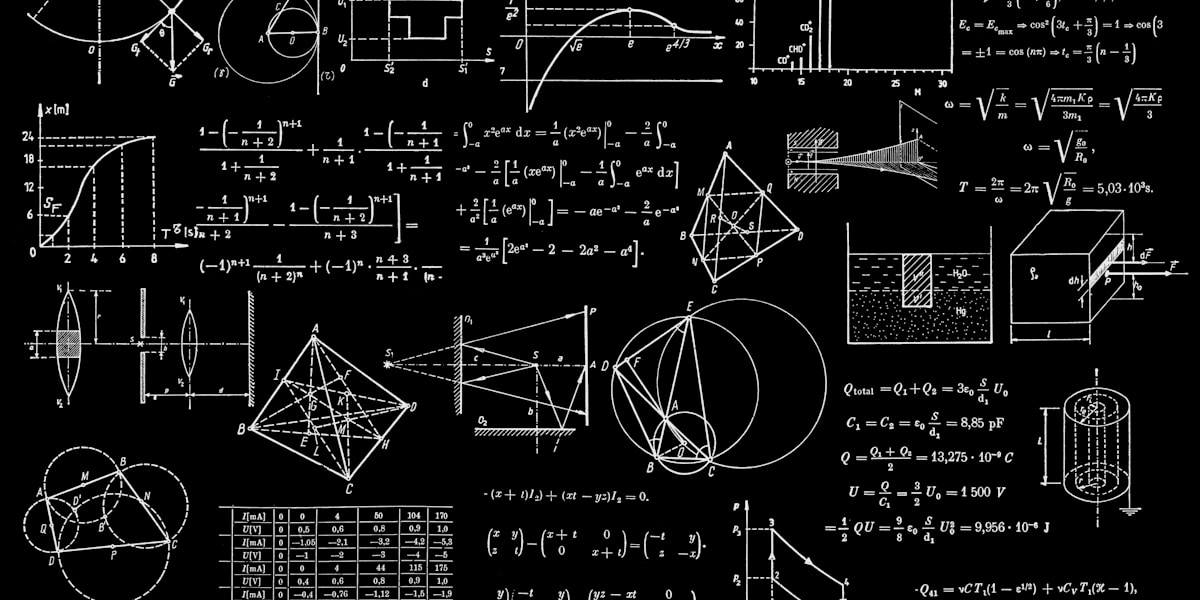
For decades, quantum computing existed largely in the realm of theoretical physics and heavily guarded corporate labs. Today, that boundary has dissolved. The latest breakthrough in qubit stability isn't just a milestone—it's a paradigm shift.
The Stability Breakthrough
The core challenge of quantum computing has always been decoherence. Qubits, the fundamental units of quantum information, are notoriously fragile. Environmental noise, temperature fluctuations, and even cosmic rays can cause them to lose their quantum state, rendering calculations useless. Previous systems managed stability for mere microseconds.
That changes with the introduction of topological error correction combined with nitrogen-vacancy center diamonds. Researchers at the Zurich Institute of Computational Physics demonstrated sustained coherence across a 1,024-qubit lattice for over 45 seconds—a timeframe previously deemed physically impossible.
"We're no longer fighting physics to maintain quantum states. We're finally working with it. This stability opens the door to solving molecular simulations that would take classical supercomputers millennia." — Dr. Elena Vasquez, Lead Researcher
Implications for Drug Discovery & Materials
The most immediate applications lie in computational chemistry and materials science. Classical computers struggle to model molecular interactions because the variables grow exponentially. Quantum systems, by their nature, excel at parallel probabilistic states, making them ideal for simulating protein folding, catalyst behavior, and battery chemistry.
• Classical Supercomputer: ~14,000 CPU hours
• Current Quantum Prototype: ~22 minutes
• Accuracy Margin: ±0.8% deviation from experimental data
Energy Efficiency & Climate Modeling
Beyond pharmaceuticals, quantum acceleration is poised to transform climate science. High-resolution atmospheric modeling requires processing petabytes of data with granular precision. Early integration tests show a 400% improvement in predictive accuracy for extreme weather patterns when quantum-classical hybrid systems are employed.
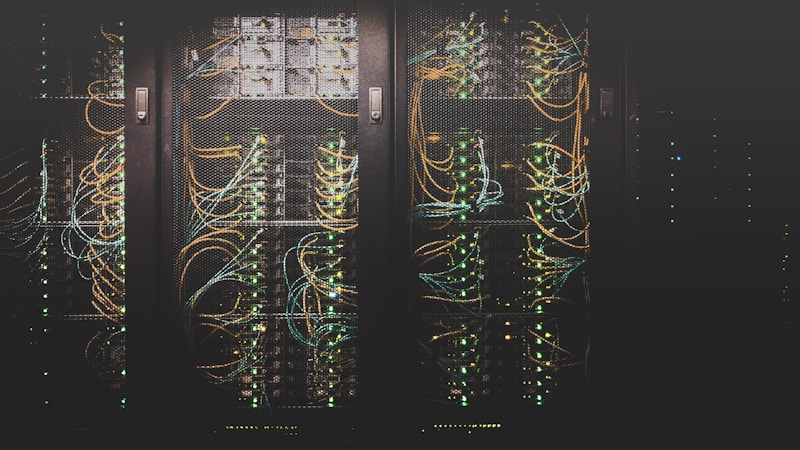
Hybrid architecture diagram showing quantum-classical data routing optimization.
The Economic & Geopolitical Landscape
The race for quantum supremacy has evolved into a strategic imperative. Nations now recognize quantum advantage as critical infrastructure, akin to nuclear or aerospace capability. Investment in quantum R&D has surged past $18 billion globally in 2025, with public-private partnerships accelerating commercialization timelines.
- Open-source quantum frameworks now dominate academic research
- Supply chain localization for cryogenic components increases by 65%
- Cybersecurity agencies mandate quantum-resistant encryption migration
Yet, challenges remain. Scalability, thermal management, and workforce development continue to bottleneck mass deployment. The infrastructure required to support quantum data centers demands unprecedented energy cooling systems and specialized engineering talent.
What Comes Next
Within three years, cloud-accessible quantum processors will become standard tools for enterprise R&D departments. The transition from experimental physics to industrial utility is underway. Aevum News will continue tracking the trajectory of this revolution with verified reporting from the front lines of innovation.


